Torn between a lock-and-leave condo steps from Promenade Park and a character-rich home near downtown? You are not alone. Each choice offers a distinct lifestyle, cost profile, and set of rules. In this guide, you will compare space, walkability, maintenance, parking, approvals, and resale so you can move forward with confidence. Let’s dive in.
What “downtown” means here
When people say “downtown Fort Wayne,” they often mean the core around Promenade Park, Parkview Field, The Landing, and the Convention Center. Recent public projects and adaptive reuse have helped fuel housing demand in this area. Nearby, buyers often compare West Central and other near-downtown historic pockets. West Central is a designated local historic district with exterior design review, which the City outlines in its preservation guidance and neighborhood plan. You can review the process in the City’s preservation materials for West Central and other districts at the City’s design review resource page: City of Fort Wayne preservation guidance.
Lifestyle and space
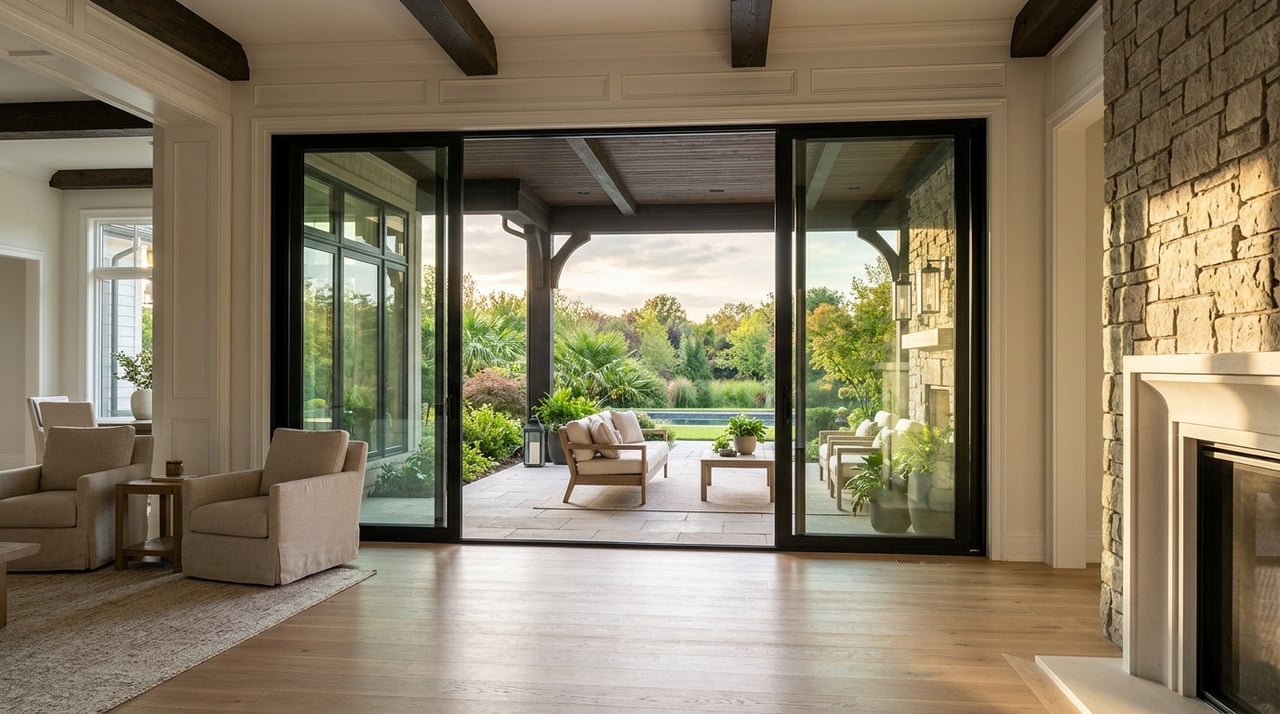
A downtown condo offers vertical living with smaller interiors, modern finishes, secured access, and shared amenities like rooftop terraces or fitness rooms. You get low upkeep and easy access to dining and entertainment.
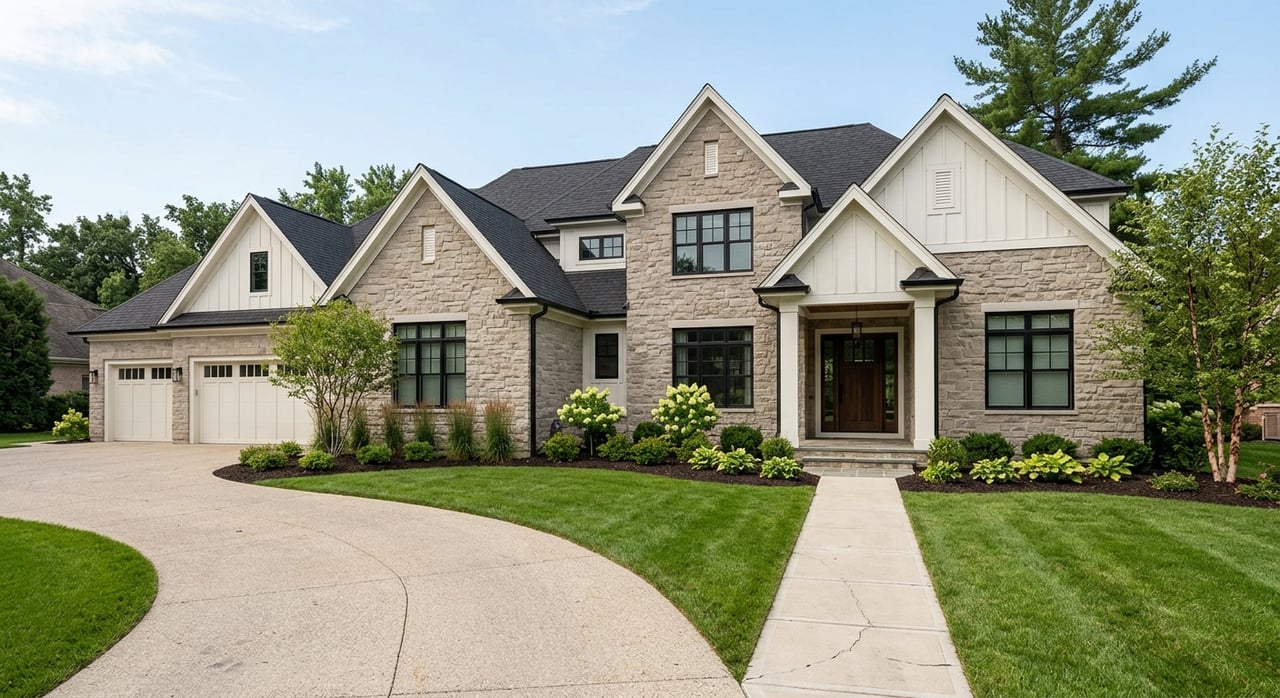
Historic single-family homes in West Central and nearby streets often deliver more square footage, original details, and private outdoor space. Many include a driveway or garage and layouts that work for hosting or hobbies. If you want a yard or room to personalize, a historic home can be a strong fit, subject to local design review for exterior changes.
Walkability and daily ease
Both the riverfront core and West Central score as very walkable in central spots. For a downtown reference point, see the Walk Score for a South Calhoun Street address near Parkview Field: Downtown walkability snapshot. From many buildings, you can walk 5 to 10 minutes to parks, ballgames, coffee, and dining. West Central blocks near Broadway and Wayne also offer short walks to restaurants and downtown venues.
Maintenance and who pays
Condo ownership usually includes a monthly HOA fee that covers building exterior, common areas, master insurance for shared spaces, and sometimes utilities like water and trash. Rules and coverage vary by association. Indiana’s HOA and condo regulations set the framework, but the HOA’s governing documents are your source of truth. Review CC&Rs, budgets, and reserve studies carefully: Indiana HOA overview.
With a historic single-family home, you handle the roof, systems, and yard. A common planning rule is to set aside about 1 percent of the home’s value per year for maintenance as a baseline, with older homes often warranting 2 percent or more depending on condition. Start with this simple rule of thumb and adapt once you review the inspection: Maintenance budgeting basics.
Parking and event nights
Some condo buildings include assigned garage spaces. Others sell or lease parking separately. Downtown garages and city-run facilities offer hourly, daily, and monthly options. The City has added new capacity in the core, and you can review a recent garage expansion announcement here: City public garage update.
Historic homes commonly provide driveways or garages, plus on-street options where allowed. If you need off-street parking for two cars or more, confirm alley access and garage condition during inspection.
Rules and approvals
Condo buyers should read the full HOA package before they write an offer. Focus on reserves, special assessment history, rental and pet rules, parking assignments, and the master insurance policy. Minutes and reserve studies will tell you what is coming up.
If you plan exterior work on a home in the West Central Local Historic District, permit and design-review approvals may apply. The City’s preservation staff or commission typically reviews major exterior changes. Learn the process, documents, and likely timelines here: Local preservation guidance.
Cost comparison: two quick examples
The numbers below are illustrations based on common assumptions, not quotes. Always update with your lender, the property’s tax bill, and the specific HOA budget.
Assumptions: 30-year fixed, 20 percent down, rate about 6.0 percent as of early March 2026 (mortgage rate context). Property tax example uses an Allen County effective rate near 0.94 percent (Allen County tax overview). Condo insurance uses a typical HO-6 average (condo insurance cost).
Example A: Downtown condo
- Purchase price: $180,000
- Loan (20 percent down): $144,000
- Estimated P&I at 6.0 percent: about $864 per month
- Property tax estimate: about $141 per month
- HO-6 condo insurance: about $42 per month
- HOA dues example: $250 per month
- Interior reserve: about $42 per month
Total example monthly: about $1,340 to $1,400 plus utilities and parking if not included.
Example B: Historic home in West Central
- Purchase price example: $279,000, consistent with recent neighborhood median reports (West Central market snapshot)
- Loan (20 percent down): $223,200
- Estimated P&I at 6.0 percent: about $1,338 per month
- Property tax estimate: about $219 per month
- Homeowners insurance example: about $100 per month
- Maintenance reserve at 2 percent: about $465 per month
Total example monthly: about $2,120 to $2,130 plus utilities.
What this shows: the condo example often pencils to a lower monthly outlay, driven by a smaller loan and shared-building maintenance. The historic home example carries higher holding costs but offers more private space, storage, and long-term flexibility for thoughtful updates, subject to design review.
Resale and buyer pool signals
Buyer pools differ by product and micro-location. Downtown condos often attract professionals who value convenience, empty nesters who want low-maintenance living, and some investors where rental rules allow. Near-downtown historic homes attract buyers who want private outdoor space and long-term use.
City investment in public spaces and adaptive reuse has supported demand near the core, which can help both categories over time. For neighborhood pricing context, recent analyses place West Central’s median near the high $200,000s (West Central median reference). To gauge resale for a specific property, review 12-month closed sales on the same block or in the same building, plus days-on-market trends.
Your decision checklist
- Total monthly cost: Compare P&I, taxes, insurance type, HOA dues if any, a maintenance reserve, utilities, and any parking fees.
- Maintenance tolerance: If you want minimal upkeep, a condo may fit. If you enjoy projects or want more control, a historic home may suit you.
- Space and privacy: If you need a yard, a workshop, or room to store gear, lean historic. If you prefer to travel and keep things simple, lean condo.
- Parking and guests: Confirm whether you have a deeded or leased space and how guest parking works during event nights downtown.
- Rules and approvals: For condos, read CC&Rs, reserve studies, and meeting minutes. For historic homes, confirm design review and permit timelines.
- Renovation and incentives: If you plan income-producing rehab on a certified historic building, explore the federal 20 percent Historic Rehabilitation Tax Credit and speak with the State Historic Preservation Office about eligibility: Historic tax credit basics.
When each choice shines
- Choose a downtown condo if you want a walkable lifestyle, low maintenance, shared amenities, and a simpler monthly budget.
- Choose a historic home if you want architectural character, a yard or garage, and the ability to customize over time, with respect for local preservation standards.
You do not have to decide this alone. A thoughtful conversation about how you live, your budget, and your timeline will make the answer clear. If you want a calm, data-aware partner to help you compare specific buildings and streets, start with a brief strategy call with The Lynn Reecer Team.
FAQs
What areas count as “downtown Fort Wayne” for housing searches?
- Most buyers mean the riverfront core around Promenade Park and Parkview Field plus adjacent blocks like The Landing and the Convention Center area.
How walkable are downtown Fort Wayne and West Central?
- Central addresses in both areas often score as very walkable, and a sample South Calhoun Street location near Parkview Field shows strong Walk Score results for daily errands.
What do HOA fees usually cover in Fort Wayne condos?
- Typical dues cover exterior and common-area maintenance, master insurance for shared spaces, and sometimes water and trash, with details set by each HOA’s governing documents.
What permits apply when renovating a West Central historic home?
- Major exterior changes may require local design-review approval, so consult the City’s preservation guidance early for process and timelines.
What property tax rate should I budget in Allen County?
- A countywide effective rate near 0.94 percent is a useful planning reference, but your actual bill depends on the taxing district and any exemptions.
Can I use historic tax credits on my residence?
- The federal 20 percent credit applies to certified rehabilitation of income-producing historic buildings, so consult your advisors and the State Historic Preservation Office for eligibility.