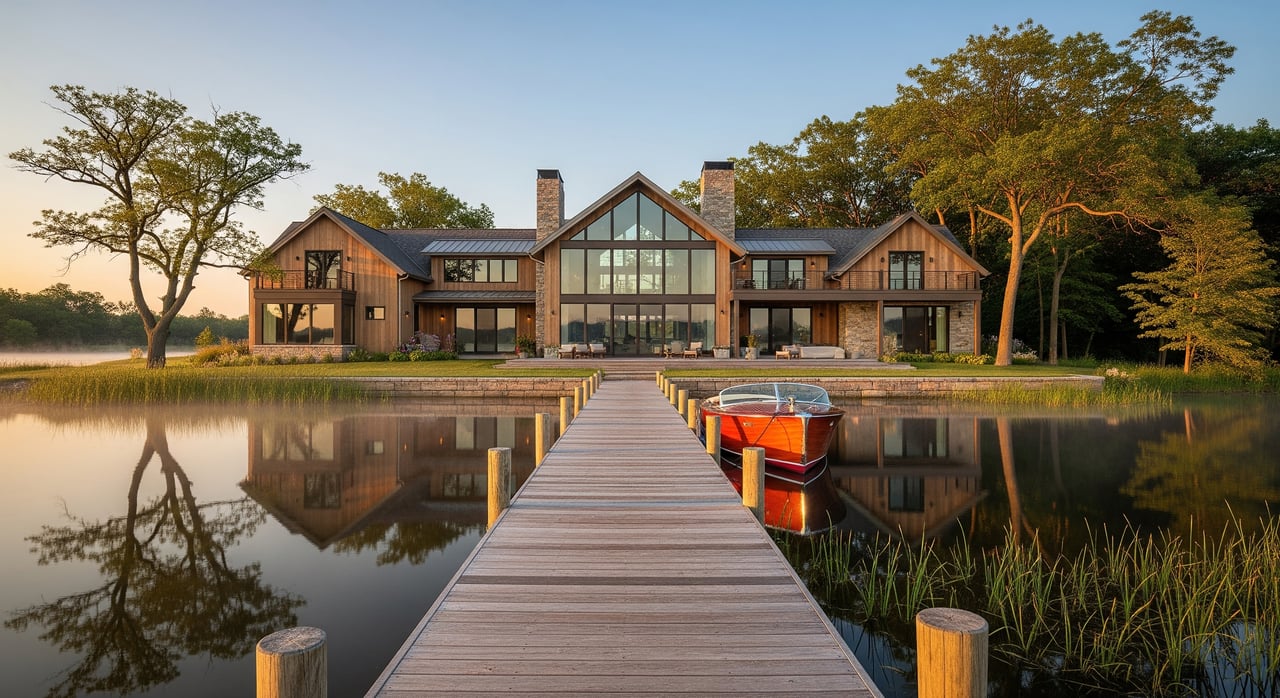
Picture this: coffee on the dock, light ripples on the water, and your boat ready for a Saturday cruise. If you are shopping lakefront in Angola’s 46703 zip, that vision is within reach, but every lake and shoreline lives a little differently. The right fit comes down to use rules, lot type, and permits that can affect your plans.
This guide walks you through lake styles, what to verify about docks and shoreline work, how to compare lots, and what to look for in the off-season. You will also get a realistic search timeline and a simple document checklist to keep your purchase on track. Let’s dive in.
Choose your lake experience
Your first decision is lifestyle. Angola and greater Steuben County offer a mix of all-sports and quiet lakes. Each comes with tradeoffs for noise, wakes, and maintenance.
Lake James
Lake James often feels like the regional hub. It is larger, more developed, and has more marinas and amenities. You will find more full-service homes and strong demand for docks and slips. Expect higher boat traffic at peak times, less privacy in some areas, and potentially higher prices and taxes.
Jimmerson Lake
Jimmerson tends to be smaller with a mix of open water and more protected, canal-like areas. It can balance recreational boating with quieter coves. If a property uses shared docks or access easements, confirm how those are documented and managed before you make an offer.
Crooked Lake and nearby smaller lakes
These lakes often feel quieter with more coves and, in places, shallower water. Some areas may have formal or informal no-wake or limited-motor use. They can suit low-maintenance waterfront living and anglers. Verify access type, such as private frontage or association access, and whether high-speed boating or personal watercraft are allowed.
All-sports vs quiet in practice
- All-sports: Motorboats, water-skiing, wakeboarding, and personal watercraft are generally allowed. Expect wakes and louder activity at peak times, and plan for more shoreline wear and erosion control.
- Quiet or limited: Speed and motor types may be restricted, sometimes favoring paddling and fishing. Rules can be set by state or county authorities, lake associations, or shaped by lake size and depth.
- Tradeoffs: Recreation and resale audience differ by lake type. Shorelines on busier waters may need more protection. Insurance and liability considerations can vary with boat activity.
Rules, rights, and permits
Before you assume anything about docks, slips, or shoreline work, verify the rules and records that apply to your specific property.
Who to contact
- Indiana Department of Natural Resources (DNR) for public trust waters and guidance on docks and shoreline work.
- Steuben County planning, building, surveyor, and health department for local setbacks, permits, and septic.
- Local lake or homeowner association for bylaws, dock designs, slip waitlists, no-wake zones, and seasonal rules.
- U.S. Army Corps of Engineers if wetlands or federal waters could be affected by your project.
- Indiana Department of Environmental Management for water quality topics such as algal blooms.
Typical permit triggers
- Private docks and piers, including size, location, and materials.
- Seawalls, bulkheads, riprap, and other shoreline stabilization that alter erosion or habitat.
- Dredging and major reshaping, which often require multi-agency review.
- Vegetation removal, bank grading, and any wetlands work.
Practical steps that save time
- Verify permit history early. Ask the seller for permits, dock drawings, and records for any seawall or stabilization work.
- Request a current survey. Confirm lot lines to the water, riparian boundaries, and any easements.
- Confirm dock rights. Ask who owns the adjacent lakebed, whether access is shared, and how slips are assigned.
- Check association rules. Note design standards, mooring or lift requirements, and any slip waitlists.
- Plan ahead for projects. State and local approvals can add weeks to months, so start feasibility checks early.
Lot types and shoreline factors
Choosing the right lot is as important as choosing the right lake. Compare how each site supports your plans today and in the future.
Common lot types
- Direct frontage lot with typical riparian access and dock rights, subject to easements and local rules.
- Shared frontage with collective agreements or shared docks. Confirm legal access in writing.
- Canal or channel lot offering protected access to larger water, sometimes narrower near canal mouths.
- Peninsula or point lot with wider views and more exposure to wakes and wind.
- Elevated or bluff lot for views and reduced flood risk, or low and flat lots for easier access that may need more protection.
- Lots with wetland or marsh buffers that can increase privacy and wildlife value but limit buildable areas.
Physical features to evaluate
- Shoreline slope and composition, which drive dock design and erosion risk.
- Vegetation and tree cover that affect wind protection, septic layout, and future maintenance.
- Visible erosion, undermining, or prior stabilization that may signal upcoming repairs.
- Water depth at the shore and in adjacent channels, which can limit boat size or dock length.
- Seasonal water level changes and any records of high or low extremes.
- Septic system location, setbacks, and condition, especially near the shoreline.
Legal items to request early
- Stamped survey and legal description showing riparian boundaries and easements.
- Recorded covenants, restrictions, and lake association bylaws.
- Copies of shoreline permits issued in the past decade.
- Well and septic records and county health approvals.
- Property tax details and any special assessments or lake improvement fees.
- Title report showing riparian rights and any encumbrances.
See more in the off-season
Late fall through early spring is an excellent time to evaluate lakefronts in 46703. With leaves down and water low or frozen, you can spot issues that summer hides.
Off-season checklist
- Shoreline and bank: Look for exposed roots, slumping, cracking, leaning seawalls, or gaps in riprap.
- Docks and lifts: Inspect posts, pilings, floatation, and hardware. Ask how equipment is wintered and stored.
- Vegetation and wetlands: Note cattails or sedge that may limit buildable areas or require permits.
- Drainage and runoff: Trace roof and driveway flow to see if stormwater reaches the lake.
- Access and roads: Confirm year-round maintenance, driveway slope, and snow removal.
- Neighboring use: Note home density, seasonal vs permanent occupancy, and any potential noise sources.
- Utilities and septic: Locate tank lids and drain fields. Request pump and service records.
- Ice and seasonal hazards: Look for past ice heave impacts and any repairs to docks or boathouses.
- Water quality hints: Ask for recent reports or advisories from associations or state agencies.
Your timeline, step by step
A smooth lakefront purchase in Steuben County benefits from a clear plan. Build in time for inspections and permits.
- Weeks 0 to 2: Define your lake style, lot type, budget, and must-haves such as a dock, lift, or boathouse.
- Weeks 2 to 8: Begin the search with a local lake expert. Review recent comparables and gather lake association rules and public ramp info for target properties.
- Weeks 2 to 6, concurrent: Tour short-listed homes, including at least one off-season visit for each. Collect surveys, permits, and septic records from sellers.
- Weeks 4 to 8 after offer: Complete home, shoreline, well, and septic inspections. Run a title review for riparian rights and easements. If you plan shoreline work, start a permit feasibility check.
- Weeks 2 to 6 to close: Finalize financing and association items. Transfer or register docks or slips as required. File any shoreline permit applications early post-closing if you plan changes.
Most straightforward searches take about 2 to 4 months from start to close. Allow 3 to 6 months if your purchase involves permits, association approvals, or major shoreline repairs.
Buyer document checklist
Ask for these items early so you can move quickly and avoid surprises:
- Current stamped survey showing shoreline and any easements
- Dock, seawall, dredging, or stabilization permits for the past 10 years
- Lake association bylaws, covenants, and recent meeting notes on docks or shoreline projects
- Well and septic inspection reports and maintenance records
- Title commitment and disclosure of any access or utility easements
- Photos and notes on how the seller winters and stores docks, lifts, and boathouses
- Recent water quality reports or advisories and any treatment history
Next steps
If Angola’s lake life is calling, your best first move is to clarify how you want to use the water, then line up the right records and inspections. From verifying dock rights to timing your off-season visit, a steady plan will protect your enjoyment and your investment.
When you are ready to explore Lake James, Jimmerson, Crooked Lake, or a quieter cove nearby, connect with local advisors who specialize in Northern Indiana lake homes. Start the conversation with The Lynn Reecer Team to tailor a search that fits your lifestyle and timeline.
FAQs
What should first-time Angola lake buyers know about dock rights?
- Dock rights are not automatic. Confirm permits, association rules, any shared-slip agreements, and who owns the lakebed adjacent to the lot before you buy.
How do all-sports and quiet lakes in 46703 affect daily life?
- All-sports lakes support higher-speed boating and can be louder with more wakes. Quiet or limited lakes often favor paddling and fishing with lower speeds and less wake impact.
Who approves seawalls or shoreline stabilization in Steuben County?
- Shoreline projects often involve the Indiana DNR and local county departments. Some work may also need U.S. Army Corps review, especially if wetlands are affected.
What off-season signs point to costly shoreline repairs?
- Look for slumping banks, leaning or cracked seawalls, gaps in riprap, exposed roots, and evidence of ice heave around docks or boathouses.
How long does a lakefront purchase usually take in Angola?
- A straightforward search often takes 2 to 4 months from education to closing. Add time if permits, association approvals, or major repairs are part of your plan.