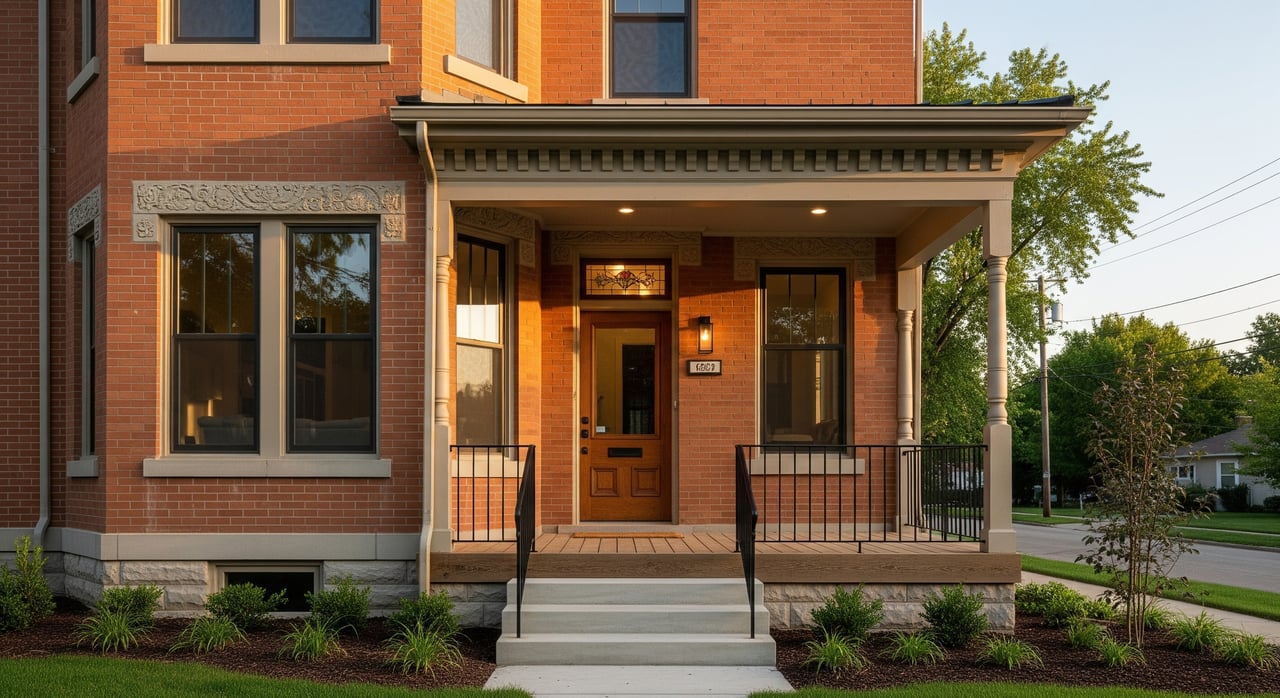
Thinking about updating your historic home in 46807 but worried about losing its charm? You are not alone. Buyers in Southwood, Foster Park, and the broader 46807 area love original woodwork, built-ins, and period details, while still expecting modern comfort and efficiency. In this guide, you will learn which projects add real value, how to keep updates period-appropriate, what to know about permits in Fort Wayne, and how to plan smart winter work. Let’s dive in.
Why updates matter in 46807
Homes in 46807 often date to the early and mid 20th century. Many still feature original hardwood floors, trim, staircases, masonry, and thoughtful craftsmanship. These character-defining elements are a major selling point. When you update a historic property, your choices can either enhance that character or unintentionally strip it away.
Buyers here are usually local owner-occupiers. They want authenticity and craftsmanship, but also mechanical reliability and better energy performance. That means the most valuable updates protect historic details while quietly improving function and comfort.
High-value updates by room
Kitchens that fit the house
A well-planned kitchen offers one of the best returns. You do not need a full gut to make a difference. Focus on a better layout, quality storage, and finishes that feel at home in an older property.
- Cabinetry: painted inset or simple shaker doors with vintage-proportioned hardware work well. Avoid glossy, ultra-flat styles that clash with classic trim.
- Counters: narrow-lipped butcher block, honed stone, or a period-appropriate laminate with a bullnose edge keep sightlines and scale right.
- Tile: classic subway, penny, or simple square ceramic tile complements early 20th-century homes.
- Appliances: choose modern, efficient units with panel-ready or low-profile finishes so they do not dominate the room.
- Lighting: layer task and ambient light with period-appropriate fixtures and carefully placed low-profile recessed lights.
Why it adds value: You improve the way the kitchen works without erasing its soul, which resonates with 46807 buyers.
Bathrooms with timeless style
Bathrooms should be durable, ventilated, and easy to maintain. You can upgrade while keeping the vintage feel.
- Keep and restore cast-iron tubs and pedestal sinks when feasible. Reglazing can be a smart alternative to replacements.
- Tile: hex, subway, or simple square floor and wall tile with traditional patterns works beautifully.
- Fixtures: low-profile toilets and classic faucet styles in brass, bronze, or polished finishes blend old and new.
- Ventilation: install a quiet exhaust fan with a discreet grille. This protects finishes and meets code in many cases.
Why it adds value: Buyers get modern comfort while the room still looks right for the house.
Energy-efficiency that respects character
You can make a historic home more comfortable and affordable to operate without harming its fabric.
- Attic insulation: add or top up insulation above the ceiling plane to reduce heat loss with minimal visual impact.
- Air sealing: weatherstrip doors and windows, seal attic penetrations, and insulate band joists to improve comfort and cut drafts.
- HVAC: replace aging systems with high-efficiency, properly sized equipment. Multi-stage or variable-speed options improve humidity control.
- Windows: repair original wood windows by addressing sash cords, glazing, and weatherstripping. If necessary, add interior or exterior storm windows for a meaningful efficiency boost.
Why it adds value: Lower operating costs and better comfort are top buyer priorities. When you preserve original windows and trim, you keep the home’s character intact.
Preserve woodwork and floors
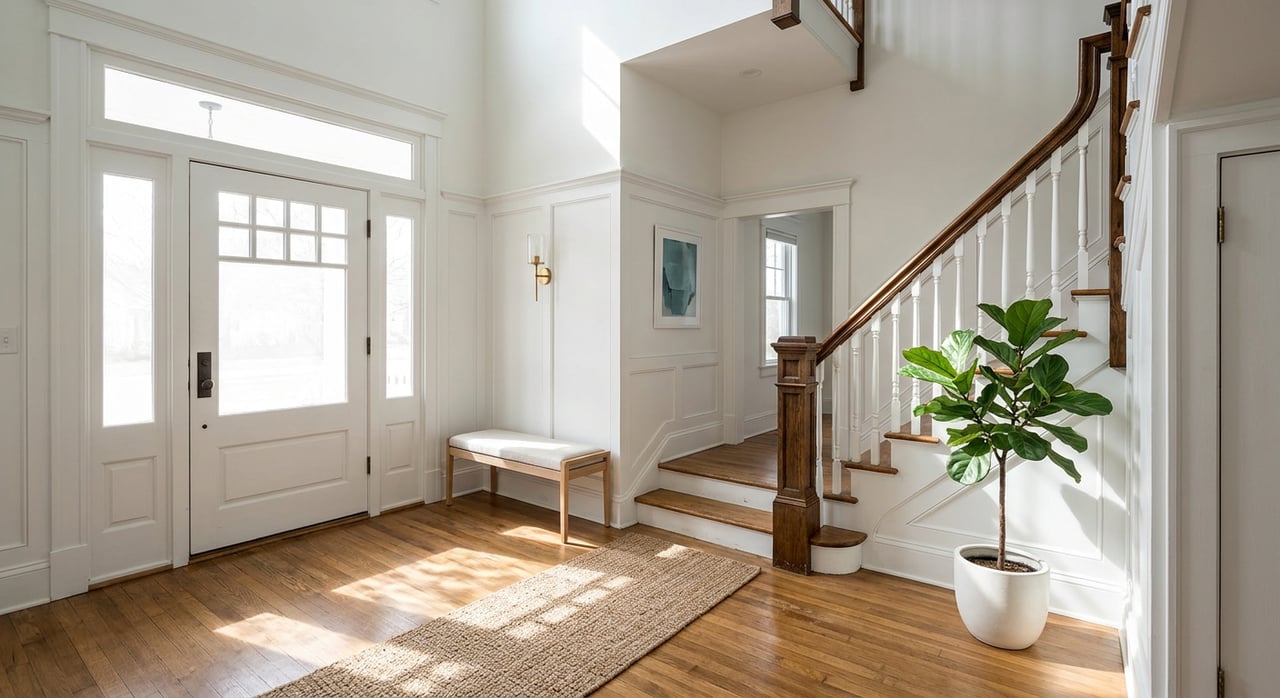
Original trim, built-ins, and hardwood floors are irreplaceable. Plan to save them.
- Refinish hardwood floors and replace only damaged boards in-kind.
- Repair baseboards, crown, stair newels, and built-ins rather than swapping in off-the-shelf pieces that do not match.
- Remove incompatible coatings carefully and match original profiles and finishes when replacements are required.
Why it adds value: The millwork and flooring are often what buyers fall in love with first.
Structural, exterior, and mechanical essentials
Some improvements may not be flashy, but they are critical for resale and financing.
- Structural repairs, roof replacement, siding or masonry repair, and safe electrical, plumbing, and HVAC are prerequisites for a smooth sale.
- Manage stormwater with functioning gutters, downspouts, and proper grading to protect masonry and the foundation.
These items reduce inspection risk, broaden buyer confidence, and support appraisals.
Safety and accessibility
Safety upgrades can be integrated without harming the home’s look.
- Install smoke and carbon monoxide detectors, and use GFCI outlets in kitchens and baths.
- Bring stair handrails up to code with solutions that complement existing details.
Preservation methods that protect value
A few guiding principles will help you get it right:
- Repair rather than replace when feasible. Saving original material usually preserves value.
- Use reversible or minimally invasive techniques so future owners can adjust if needed.
- Match materials, profiles, and finishes when in-kind replacement is necessary.
Practical tips:
- Windows: repair sash and frames, reglaze, and weatherstrip. If you must replace, match historic sightlines, muntins, and operation.
- Masonry: repoint with mortar that matches the original in composition, color, and tooling. Avoid overly hard mixes on older brick or stone.
- Insulation and vapor control: keep assemblies breathable. Avoid trapping moisture in older masonry walls with non-breathable foams.
- Routing mechanicals: run ductwork and piping through basements, attics, closets, or secondary spaces to minimize cuts into historic fabric.
When to call a preservation pro:
- Engage experienced contractors or a preservation architect for staircases, ornamental plaster, facades, historic windows, and masonry repointing. Ask for local historic project references before you sign.
Permits and approvals in Fort Wayne
Before you start, verify what permits you need and whether your home has local historic designation.
- Permits are commonly required for structural changes, significant interior renovations, roof replacement, and work involving electrical, plumbing, or HVAC.
- If your property is within a local historic district or under a preservation overlay, exterior work visible from the street may need design review and a Certificate of Appropriateness.
- Window replacements can be treated as alterations in some districts. Ask early whether they require building and historic approvals in your area.
- Mechanical replacements, smoke and CO detectors, and GFCI installations often require permits and inspections.
Plan ahead for timing.
- Historic review can add weeks for applications, staff review, and meetings. Build this into your schedule.
- Winter permit processing may slow during holidays. Confirm timelines with local staff.
Documenting permitted work helps with lending, appraisals, and buyer peace of mind at resale.
Plan impactful winter projects
Cold-weather months are ideal for many interior and mechanical upgrades in 46807. Exterior work is more limited, but you can still make progress with careful timing.
Winter-friendly priorities:
- Mechanical systems: furnace replacement, boiler service, HVAC balancing, and duct sealing.
- Attic insulation and blower-door guided air sealing.
- Window repair, reglazing, weatherstripping, and adding storm windows.
- Interior painting, trim restoration, and hardwood refinishing in controlled conditions.
- Electrical upgrades and safety updates like GFCI and alarms.
- Small exterior fixes if temperatures permit or with temporary measures.
A simple winter timeline:
- Week 0–2: define scope, get estimates, confirm permits and approvals.
- Week 2–6: submit permits, schedule contractors, and order long-lead materials.
- Week 4–12: complete mechanicals, insulation, window work, and interior finishes.
- Ongoing: schedule inspections as required by permits.
Contractor selection in historic homes
Use a careful vetting process to avoid costly mistakes:
- Verify license, insurance, and bonding, and confirm active status.
- Prioritize contractors with documented experience on historic properties. Ask for references and photos of completed projects.
- Confirm comfort with preservation methods like reversible repairs and in-kind replacement.
- Ensure willingness to use appropriate materials, such as lime mortar for historic masonry and custom-milled trim to match originals.
- Get a clear written scope, schedule, payment terms, and warranty.
- Assign a single point of contact who oversees subs for HVAC, electrical, and plumbing.
- Choose partners who understand local permitting and inspection sequences.
Budgeting and return on investment
Not every dollar delivers the same return, especially in a historic home.
- Structural, mechanical, and energy-efficiency improvements often have the best impact on saleability and inspection outcomes.
- Preservation-grade work can cost more per hour than standard remodels, but it protects the character buyers pay for.
- Financing options to explore include home equity, FHA 203(k) for eligible rehabilitation, local loan programs, and energy-efficiency loans. Confirm current availability and program rules before you plan your scope.
How to prioritize your project list
If you are preparing for resale within the next 12 to 24 months, sequence your plan to reduce risk first and polish second.
- Address any structural, roof, moisture, or safety concerns.
- Update mechanicals and electrical safety items to pass inspections more smoothly.
- Improve comfort and efficiency with attic insulation and air sealing.
- Preserve and refresh original woodwork, floors, and plaster where feasible.
- Modernize kitchens and baths with sensitive, period-appropriate choices.
- Tackle exterior touch-ups that boost curb appeal without altering character.
A smarter path to market in 46807
Historic homes shine when their original features are respected and their systems are reliable. By focusing on period-appropriate kitchens and baths, targeted energy upgrades, careful woodwork preservation, and the right winter-friendly projects, you can increase buyer interest and protect your home’s legacy.
If you would like a tailored plan, vendor coordination, and pre-market preparation that aligns with 46807 buyer expectations, start a conversation with The Lynn Reecer Team. We provide advisor-first guidance, curated contractor introductions, and end-to-end preparation to help you maximize your outcome with confidence.
FAQs
What updates add the most value to historic homes in 46807?
- Kitchens and baths done in a period-appropriate style, energy-efficiency improvements like attic insulation and air sealing, and preservation of original woodwork and floors are consistent value drivers.
Do I need a permit for exterior changes to a 46807 home?
- Many exterior alterations require permits, and homes in local historic districts may need design review and a Certificate of Appropriateness for work visible from the street.
Are original wood windows worth repairing in older Fort Wayne homes?
- Yes, repairing and weatherstripping original wood windows and adding storm windows typically improves efficiency while preserving the historic look that buyers appreciate.
Which winter projects make the most sense for historic houses?
- Mechanical replacements, attic insulation, air sealing, window repair and storms, interior painting, trim restoration, and electrical safety upgrades are well-suited to winter.
How do I choose a contractor for a historic renovation in 46807?
- Select licensed, insured pros with documented historic work, ask for references, confirm preservation-friendly methods and materials, and require a clear scope, schedule, and warranty.
Will energy upgrades change the character of my older home?
- No, if you focus on low-visibility improvements like attic insulation, air sealing, and repaired windows with storms, you can improve comfort without altering the home’s appearance.