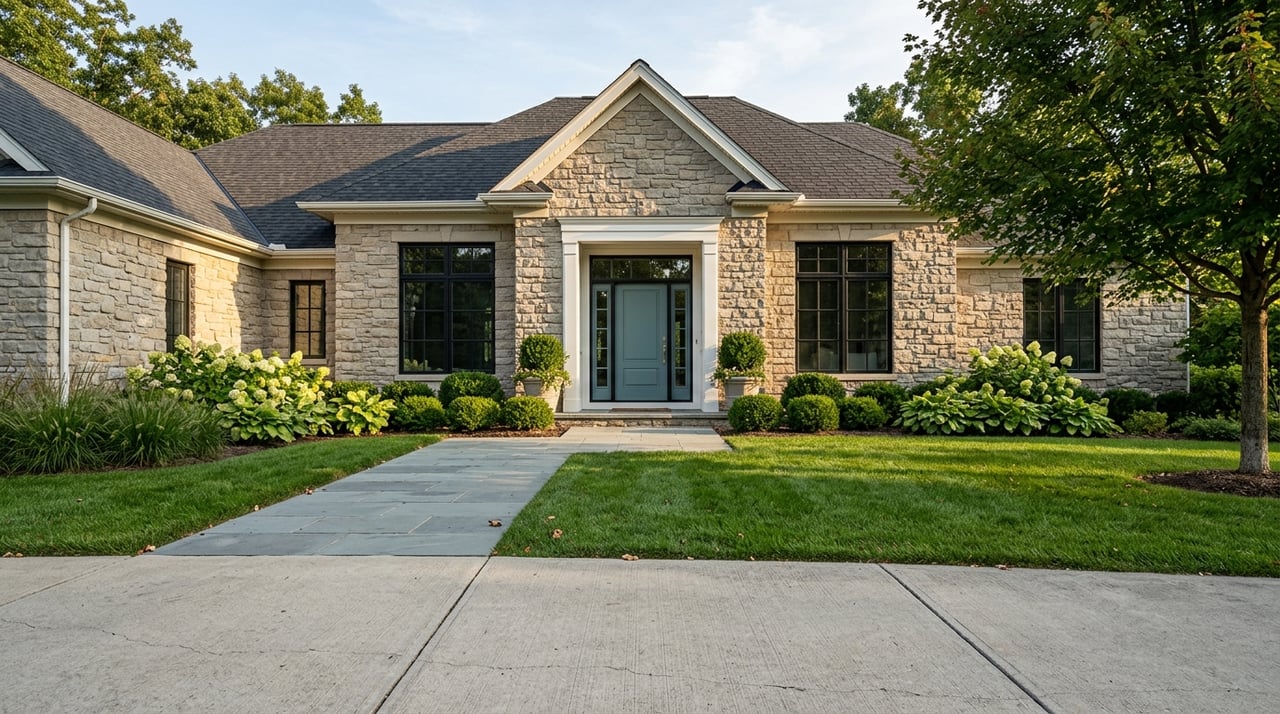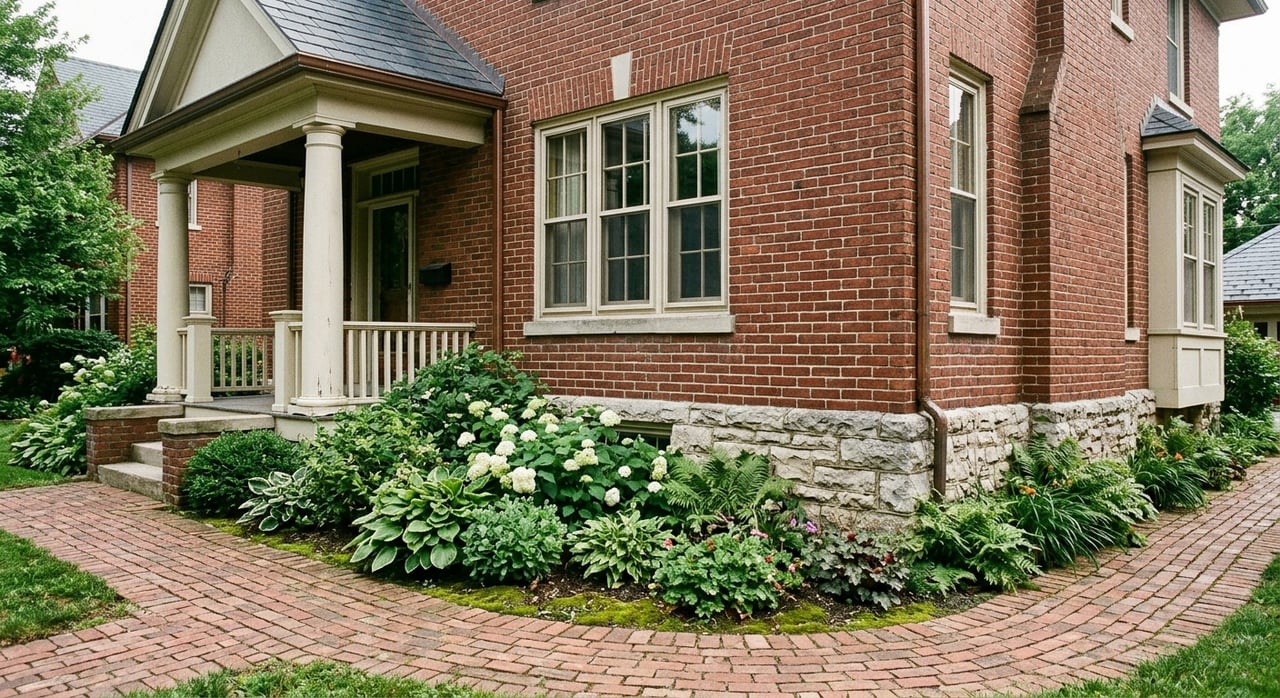
Wondering if that charming brick Tudor or Colonial in 46807 is a dream home or a costly surprise? If you are considering a historic home in Southwood or Foster Park, you are right to look beyond the curb appeal. The good news is that a careful review process can help you protect both your budget and the character that drew you in. Let’s dive in.
Know What “Historic” Really Means
In Southwood Park and Foster Park, many homes sit within areas recognized for their historic character. Fort Wayne lists both neighborhoods on its historic-district page as National Register historic districts, and the homes you see often reflect popular early- to mid-20th-century styles such as Colonial Revival, Dutch Colonial Revival, Garrison Colonial, Tudor Revival, and Craftsman-era design.
That architectural charm is part of the appeal, but it also means these homes may need a more careful evaluation than a newer property. Older materials, aging systems, and prior repairs can all affect what ownership looks like in the first few years.
National Register vs Local Designation
This is one of the first things you should verify. A home being in a National Register district is not the same as being subject to local historic rules.
According to Fort Wayne’s historic-district guidance, if a parcel is locally designated, most exterior work requires a Certificate of Appropriateness before work begins and before a building permit can be issued. That review may apply to windows, doors, roofs, siding, masonry, porches, paint colors, fences, driveways, sidewalks, landscaping, exterior mechanical equipment, and new construction.
Why This Matters Before You Buy
If you already know you want to replace windows, add exterior equipment, repaint, or change roofing, this step matters early. Fort Wayne also publishes separate policies for items such as exterior HVAC equipment, metal roofs, slate roofs, and solar panels, which is another reason to confirm the exact status of the property before finalizing renovation plans.
In practical terms, your first question should not just be, “How old is this house?” It should be, “Is this home only in a National Register district, or is it also locally designated or covered by a conservation district?”
Read the Indiana Disclosure Carefully
For a historic-home purchase in Allen County, the Indiana seller disclosure form deserves close attention. State law generally requires sellers of one- to four-unit residential property to complete it before an offer is accepted, and the form states that the seller is sharing information based on current actual knowledge. It is not a warranty and it does not replace inspections.
That matters even more with older homes. In Southwood and Foster Park, the disclosure can help you identify where to spend your inspection dollars before you get too far into the process.
Key Items To Review Closely
Pay special attention to answers related to:
- Roof condition
- Foundation or structural issues
- Moisture or water in the basement or crawl space
- Unpermitted additions or alterations
- Aluminum wiring
- Notices from government or quasi-government agencies
- Lead paint, mold, asbestos insulation, or radon
- Flood plain status or flood insurance
- Underground storage tanks
- Zoning or building-code violations
- Restrictive covenants or nonconforming use
If a seller answers “yes” or “do not know” to an important item, treat that as a prompt to investigate further. In many cases, the disclosure is effectively telling you which specialists to call next.
Verify Zoning, Historic Status, and Covenants
Historic-home due diligence is not just about the building itself. It is also about what rules may affect your use of the property.
Allen County’s assessor tools and mapping resources can help you review property information, comparable sales, property record cards, aerial imagery, property lines, and zoning information. Fort Wayne also directs users to Allen County iMap for historic layers, which can help you sort out whether a property falls under a historic designation.
Do Not Confuse Three Separate Issues
As you review a home, keep these categories separate:
- Zoning
- Historic designation
- Private restrictive covenants
These are not the same thing, and each can affect your plans differently. A home may have no zoning problem but still be subject to local historic review or private neighborhood restrictions.
Neighborhood Restrictions Can Affect Use
Private covenants are especially important in these neighborhoods. Historic Southwood Park notes that some plats include recorded restrictive covenants involving items such as front-yard fence limits and rules related to lot grade or outbuildings. The Foster Park association states that rental is not allowed within its boundaries without board approval under its restrictive covenants.
Before you write an offer, it is wise to pull the recorded plat and any covenant documents. That step can help you avoid surprises about future use, exterior changes, or resale flexibility.
Start With a Home Inspection, Then Add Specialists
A general home inspection is important, but with a historic home, it should be your starting point rather than your final step. Older homes can raise questions about wiring, plumbing, insulation, foundations, and environmental hazards that a standard inspection may flag but not fully diagnose.
If the house is in Southwood or Foster Park, look for an inspector who is comfortable with older or historic properties. That kind of experience can make a big difference in how accurately issues are identified and prioritized.
When To Bring in a Structural Expert
If you see cracked masonry, sloping floors, settlement, or ongoing moisture problems, consider a foundation specialist or structural engineer. Early evaluation can give you a clearer picture of whether an issue is cosmetic, manageable, or more significant.
Current cost guides place foundation inspection at roughly $230 to $3,800. Foundation repair is often cited around $2,225 to $8,133, and underpinning can range from about $10,000 to $30,000. A specialist opinion upfront can be a very smart investment.
Check the Sewer Line Too
For an older home with an original or aging lateral, a sewer camera inspection is often reasonable. Sewer-line repair commonly runs about $1,100 to $4,100, so confirming the line’s condition before closing can help you avoid an expensive surprise soon after move-in.
Review Electrical, HVAC, and Windows
Historic homes often need thoughtful system updates. If the home has older service, aluminum wiring, or limited circuits, have an electrician evaluate it.
Current cost guides estimate electrical panel upgrades at about $1,200 to $2,000. HVAC replacement can range from about $5,000 to $22,000, with an average near $7,500. Window replacement is also a major budget item, with many projects falling between about $3,441 and $11,841.
In a historic home, window work can become even more nuanced if you want materials and details that fit the original style. That is one reason to understand both the physical condition of the windows and any local review requirements before making plans.
Test for Lead, Asbestos, and Radon
If the home was built before 1978, assume lead-based paint may be present unless testing shows otherwise. The EPA states that the older the home, the more likely it is to contain lead-based paint, and it reports that 87% of homes built before 1940 contain some lead-based paint.
If you plan renovations that will disturb painted surfaces in a pre-1978 house, lead-safe work practices matter. That should be part of your planning, timeline, and contractor discussions from the beginning.
Asbestos Is Not a Visual Guess
Asbestos cannot be identified by sight alone. If you suspect old floor tile, ceiling tile, pipe wrap, or similar materials may contain asbestos, arrange testing by a trained, accredited professional before disturbing them.
Radon Testing Is Worth Including
Indiana recommends that residents test their homes for radon, and the state certifies radon testers and mitigators. For many buyers, adding radon testing during the inspection period is a practical step, especially when you are already evaluating multiple older-home risk factors at once.
Plan for Appraisal and Insurance Early
Historic homes can be harder to value because appraisers rely on comparable sales, condition, upgrades, structure, and the best available nearby data. In neighborhoods with distinct architecture and fewer truly similar recent sales, valuation can be more sensitive than it would be in a newer subdivision.
If you move forward with a purchase, keep records organized. Receipts, permits, and a clear list of improvements can all help support the appraiser’s understanding of the property.
Focus on Rebuild Cost, Not Purchase Price
Insurance is another area where older homes need extra attention. Coverage should be based on rebuild cost, not just what you paid.
Older homes with plaster walls, hardwood floors, moldings, and other detailed features may require a modified replacement-cost policy rather than a standard replacement-cost policy. It is also wise to ask about ordinance-or-law coverage, since standard homeowners insurance generally does not pay the added cost of bringing a damaged older home up to current code.
Do Not Assume Flood Is Covered
Flood damage is typically not covered by a standard homeowners policy. Verify the property on FEMA’s flood map service and understand whether flood insurance may be relevant, even if the house does not appear to sit in an obvious flood-risk area.
Build a Realistic Budget Before You Offer
One of the smartest ways to evaluate a historic home is to create a pre-offer spreadsheet with realistic repair and replacement ranges. That gives you a clearer sense of whether the home still fits your goals after you account for both visible updates and hidden system costs.
Useful planning ranges from current cost guides include:
- Roof replacement: about $5,892 to $13,273
- Window replacement: about $3,441 to $11,841
- HVAC replacement: about $5,000 to $22,000
- Electrical panel upgrade: about $1,200 to $2,000
- Foundation repair: about $2,225 to $8,133
- Underpinning: about $10,000 to $30,000
Historic homes can also require period-appropriate materials and skilled labor, which may increase costs. That does not mean you should avoid these properties. It simply means you should evaluate them with clear eyes and a well-built plan.
A Smart Evaluation Process for 46807 Buyers
If you are serious about buying in Southwood or Foster Park, a practical sequence can help you stay organized and reduce risk. Start by verifying the exact district status and any private covenants. Then review the Indiana disclosure carefully, schedule an inspection with historic-home experience, and bring in specialists where the disclosure or inspection raises questions.
Before releasing contingencies, confirm your appraisal and insurance assumptions as well. That process can help you preserve the appeal of a character-filled home without being caught off guard by repair costs, approval requirements, or coverage gaps.
A well-bought historic home can be deeply rewarding. With the right due diligence, you can appreciate the architecture, understand the obligations, and make a confident decision that supports both your lifestyle and your long-term budget.
If you are considering a historic home in Southwood or Foster Park and want a measured, local perspective on what to look for before you buy, The Lynn Reecer Team is here to help you think through the details and move forward with confidence.
FAQs
What should you check first when buying a historic home in Southwood or Foster Park?
- Start by confirming whether the property is only in a National Register district or is also locally designated or subject to private restrictive covenants.
Why is the Indiana seller disclosure important for a 46807 historic home?
- The disclosure helps you spot known concerns involving the roof, foundation, water intrusion, wiring, environmental hazards, permits, and notices so you can decide which specialist inspections to order.
Do historic homes in Southwood or Foster Park always require city approval for exterior work?
- Not always. Local approval requirements depend on whether the parcel is locally designated or otherwise subject to Fort Wayne historic-district rules.
What inspections are most useful for older homes in Southwood and Foster Park?
- In addition to a general home inspection, buyers often consider specialists for foundation or structural concerns, sewer lines, electrical systems, radon, lead-related issues, and possible asbestos-containing materials.
How should you budget for a historic home in Fort Wayne’s 46807 area?
- Build a pre-offer budget that includes likely ranges for roofing, windows, HVAC, electrical updates, foundation work, and any historically compatible materials or labor your plans may require.