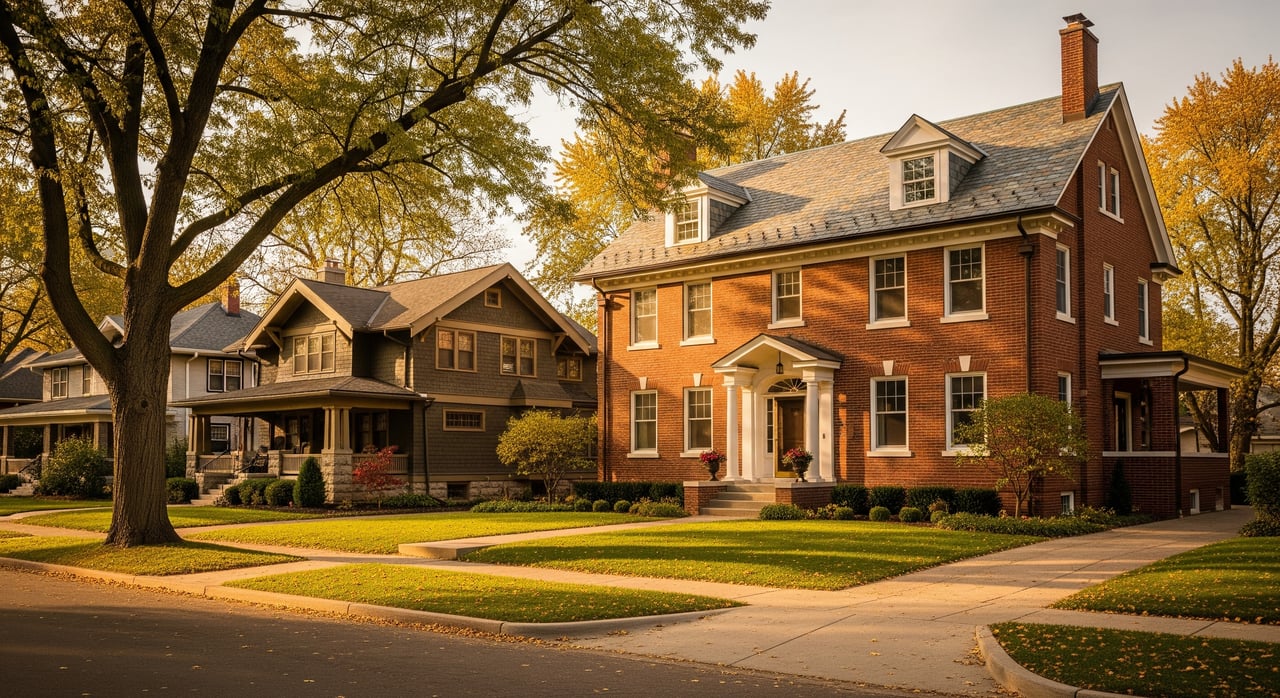
Trying to make sense of Northeast Fort Wayne’s neighborhood styles in 46825? You are not alone. This part of the city blends older pocket streets, classic suburban subdivisions, newer planned communities, low‑maintenance townhomes, and even semi‑rural acreage on the fringes. In a few minutes, you will see how these micro‑markets differ by era, lot size, HOA norms, and access to shopping and commuter routes. You will also learn what tends to sell quickly and how to compare areas with confidence. Let’s dive in.
How to read 46825 micro‑markets
Think of 46825 as a patchwork of eras and lifestyles. The biggest differences you will notice are the age of development, lot sizes, housing types, HOA presence, and proximity to major corridors. Neighborhoods closer to retail and collector streets are more walkable and offer shorter drives, while edges of the ZIP lean larger lots and a quieter feel. Some communities trade lower maintenance for HOA dues and rules. Others offer more autonomy and the responsibility that comes with it.
As you explore, focus on five things: era and layout, lot size, product type (single‑family vs attached), HOA covenants, and access to main roads. These factors drive day‑to‑day living and long‑term resale.
Post‑war and mid‑century pockets
What you will see
These areas date from the 1940s through the 1960s. Expect ranches, modest split‑levels, and smaller two‑stories on compact lots, often about 0.10 to 0.25 acres. Streets are simple grids or gentle curves with shorter drives to older shopping strips and central Fort Wayne.
Who this fits
You may like these homes if you want a manageable yard, single‑level living, or a good entry point into the market. Downsizers and first‑time buyers often find value here. Investors also target these blocks when properties need light updates.
What to watch
Older systems may need attention. Many homes use gas furnaces with central AC, but mechanicals can be dated and worth checking during inspections. Utility service is often municipal inside the city, though you should still verify water and sewer for each address. If a home sits near a stream or retention area, review flood data and drainage easements during due diligence.
1970s–1990s suburban subdivisions
What you will see
Homes grew during this era. You will find larger ranches, colonials, and split‑levels with two‑car garages and basements. Lots usually run about 0.20 to 0.40 acres. Streets tend to wind with cul‑de‑sacs, and many areas include small neighborhood parks. HOAs may exist but are often limited to simple covenants.
Who this fits
If you want a traditional floor plan, room for play or gardening, and a classic suburban feel, this segment is a strong match. Many established professionals and growing households choose these blocks for space and value.
What to watch
Factor in update cycles. Roofs, windows, and HVAC may be at or past midpoint of life depending on prior care. If an HOA exists, ask for covenants and budgets so you know the rules for additions and exterior changes. Proximity to major arterials can help your commute; proximity to busy roads can affect daily noise and resale.
2000s to present planned communities
What you will see
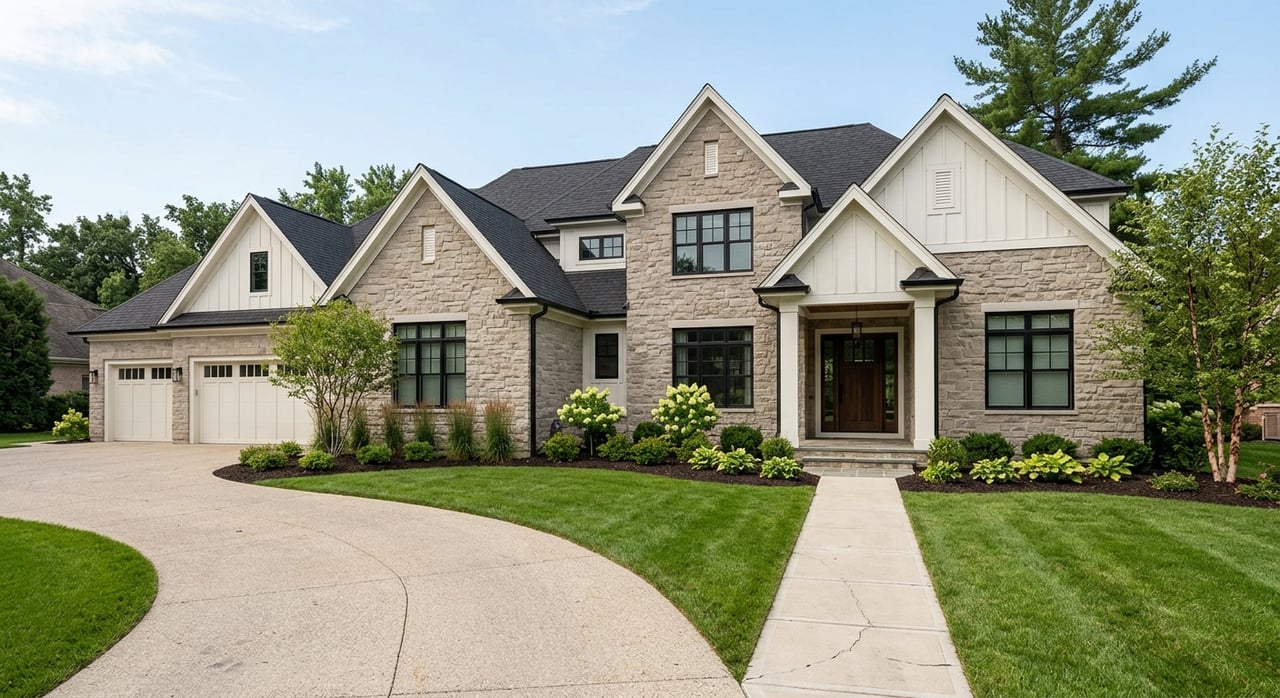
Newer single‑family neighborhoods in 46825 often feature traditional or Craftsman‑inspired exteriors, open floor plans, and energy‑efficient systems. Lots typically range from 0.25 to 0.50 acres, though infill can run smaller. Community ponds, walking paths, and playgrounds are common. These communities are more likely to have active HOAs with design guidelines and maintenance standards for yards and common areas.
Who this fits
Choose this path if you prefer move‑in‑ready features, modern kitchens and primary suites, and neighborhood amenities without the hassle of building from scratch. The consistent curb appeal and newer mechanicals can simplify ownership.
What to watch
Budget for HOA dues and understand the scope of rules before you fall in love with a home. Ask for CC&Rs, budgets, reserve studies, and meeting minutes during your review period. Many newer subdivisions also include stormwater management features. If a lot backs to a pond or drainage area, confirm any easements and whether flood insurance is required.
Townhomes and patio homes near corridors
What you will see
Attached townhomes, duplexes, and zero‑lot‑line patio homes cluster near retail and arterial roads. These are lower‑maintenance options with little or no private yard. HOAs are the norm and may cover exterior care, mowing, snow removal, and sometimes roof or master insurance.
Who this fits
If you want a simpler lifestyle and quick access to shops and services, this category delivers. It is popular for busy professionals, part‑time residents, and anyone prioritizing convenience.
What to watch
Look closely at what the HOA covers, the fee schedule, and the health of reserves. Proximity to corridors is a benefit for access, yet some buyers prefer interior locations within the community for less traffic exposure. If you plan to rent occasionally, confirm any lease restrictions before you buy.
Semi‑rural edge and acreage lots
What you will see
On the outer edges of 46825, you will find 1‑plus acre parcels, barns, and custom homes that feel more rural. Some properties use private well and septic. Others may be tied into municipal service. Outbuildings and workshops are common, and the privacy can be a major draw.
Who this fits
Consider this path if you want space for hobbies, storage, or a quieter setting. It is a strong fit if you value flexibility and the option to add structures, subject to local rules.
What to watch
Verify utilities early, including well and septic for older homes near the municipal boundary. Larger parcels can require more upkeep and attract a smaller, more price‑sensitive buyer pool at resale. Zoning and future development matter on the fringe, so review local planning maps to understand what could change nearby over time.
Lot size and architectural clues
Lot size tells you a lot about daily living:
- Small urban/suburban (0.08–0.20 acres): Compact yards and lower maintenance. On‑street parking may be part of the mix.
- Standard suburban (0.20–0.40 acres): Room for playsets, gardening, and outdoor living without overwhelming upkeep.
- Large suburban/acreage (0.5–2+ acres): Space for privacy and outbuildings. Plan for more time and cost to maintain.
Architecture tends to track by era:
- Mid‑century: Single‑story ranches with brick or wood siding and modest footprints.
- 1970s–1990s: Larger floor plans, split‑levels, and attached garages with mixed exterior materials.
- 2000s to present: Open plans, larger kitchens, primary suites, and in higher tiers, three‑car garages. Exterior styles mirror national trends with vinyl, LP, and brick combinations.
On mechanicals and utilities, many homes in the city service area use municipal water and sewer, paired with gas furnaces and central AC. Edge properties may use private well and septic. If you plan to remodel or expand, sewer availability can affect what is feasible, so confirm connections as part of your due diligence.
HOA and covenant culture in 46825
Newer subdivisions are more likely to have active HOAs that set exterior standards and oversee common areas. Older areas may have light covenants or none at all. Before you write an offer, request the full HOA package. At minimum, review CC&Rs, bylaws, current budgets, reserve studies, and recent meeting minutes. This gives you clarity on design guidelines, yard care expectations, parking rules, and any upcoming assessments.
If you value autonomy for exterior changes, you may prefer an area with minimal covenants. If you want consistent curb appeal and shared amenities, an active HOA can be an asset. Pick the tradeoff that best fits your lifestyle.
Commute, corridors, and walkability
Walkability varies by location. Areas closer to retail corridors and collector streets are usually more walkable and offer shorter trips to services. Cul‑de‑sac subdivisions trade quiet streets for longer walks to shops and dining. For commuting, proximity to major arterials and interstate access can be a difference maker. When you tour, drive the routes you would use at the times you would actually travel. The small time savings add up.
School boundaries also influence demand in 46825. Competition can increase near well‑regarded schools. Since assignments can change, confirm school boundaries and any transfer options directly with the district website during your search.
Market dynamics: what moves fast
Across Northeast Fort Wayne, three patterns tend to drive faster sales:
- Move‑in‑ready, updated single‑family homes with modern kitchens, refreshed baths, and strong curb appeal.
- Homes near major roads and corridors that shorten commutes and keep daily errands simple.
- Affordable starter homes priced below the area median, which attract first‑time buyers and investors.
Slower movement is more common for homes needing major mechanical or structural work, large acreage properties with smaller buyer pools, and houses with challenging layouts or locations on very busy streets. Seasonally, spring and early summer usually bring more listings and more buyers, which can push multiple offers on the most desirable properties when inventory is lean.
How to compare neighborhoods: a simple process
Use this checklist to evaluate your short list across 46825:
- Commute reality check: Time your daily routes, and note how close each home is to major arterials or interstate access.
- Lot size fit: Match yard size to what you truly need for kids, pets, storage, or gardening.
- Age and systems: Ask for the ages of roof, HVAC, and windows to gauge near‑term maintenance.
- HOA diligence: Request CC&Rs, budgets, reserve studies, and meeting minutes to see fees, rules, and upcoming projects.
- School assignment: Confirm current boundaries and any application deadlines on district sites.
- Utilities: Verify municipal water/sewer versus private well and septic, plus natural gas and electric providers.
- Flood and drainage: Check FEMA flood maps and note any stormwater features or easements on the lot.
- Future development: Review city or county planning maps to see approved subdivisions or commercial projects nearby.
- Market speed: Ask your advisor for the latest median days on market and common price points for comparable homes in each micro‑area.
Your next step
If you are weighing a mid‑century ranch near retail, a cul‑de‑sac two‑story with a yard, or a newer home with community amenities, the key is matching the neighborhood style to your daily life. The right choice should fit your commute, maintenance preferences, and timeline for updates while keeping future resale in mind. A thoughtful plan upfront will save you time and help you move with confidence.
You do not have to map it alone. Tap into a local, advisor‑first approach that focuses on your goals, not volume. Start the conversation with The Lynn Reecer Team to compare micro‑markets, refine your wish list, and design the path to your best outcome in 46825.
FAQs
What neighborhood styles are most common in Fort Wayne’s 46825?
- You will see post‑war and mid‑century pockets, 1970s–1990s suburban subdivisions, 2000s to present planned communities, attached townhomes and patio homes near corridors, and semi‑rural acreage on the edges.
How do lot sizes vary across Northeast Fort Wayne’s 46825?
- Compact lots are often 0.08–0.20 acres, standard suburban yards run 0.20–0.40 acres, and larger suburban or acreage parcels span 0.5–2+ acres.
Are HOAs common in 46825 neighborhoods?
- Newer subdivisions and attached housing areas are more likely to have active HOAs with design standards and shared maintenance, while older areas may have light covenants or none.
What sells fastest in 46825’s Northeast Fort Wayne market?
- Move‑in‑ready single‑family homes with updates, properties near major corridors and services, and affordable starter homes below the area median tend to draw quick interest.
What utility and mechanical issues should buyers confirm in 46825?
- Verify municipal water and sewer versus well and septic at the edges, check the age of HVAC and roof, and confirm natural gas and electric services with local providers.
How does flood risk factor into buying in 46825?
- Lots near streams or retention ponds may fall within regulated floodplains or include drainage easements, so review FEMA maps and local determinations during due diligence.